Principle #31 – Same people. Same roles. Same problems.
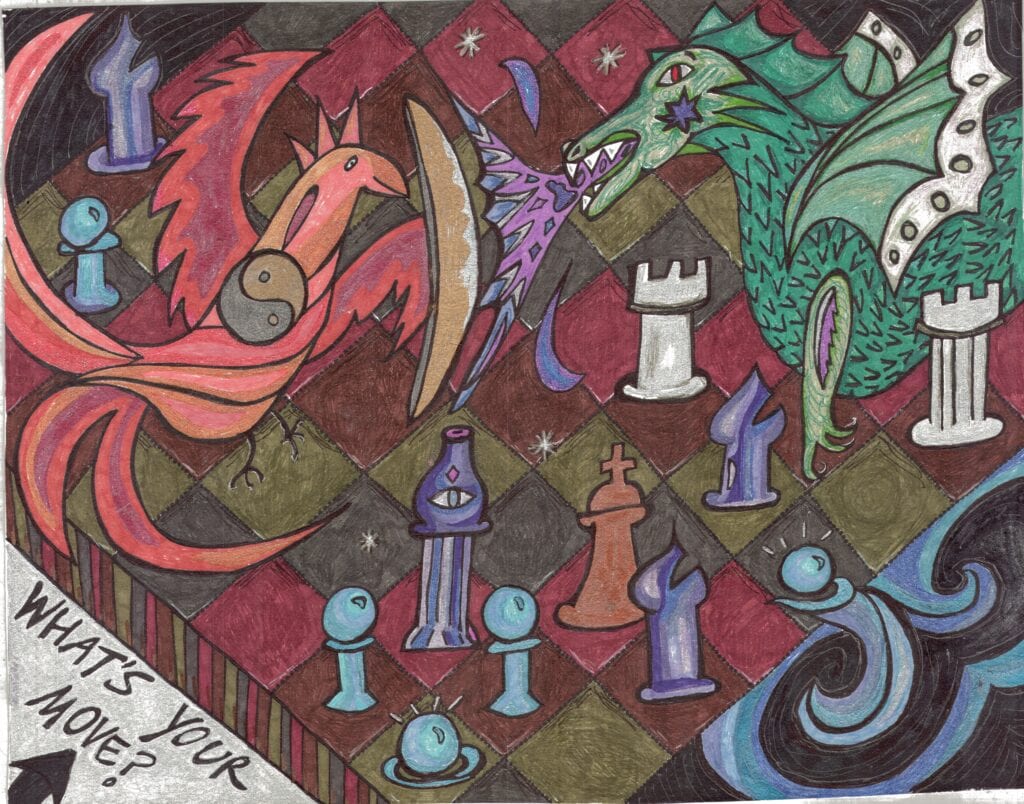
In chess, every piece has unique strengths. Bishops glide diagonally, rooks dominate straight lines, knights jump in clever L-shapes. Put a knight on a diagonal path and it just… sits there.
Teams are no different. When someone isn’t performing, it may not be about effort—it might be about fit. A creative “knight” stuck in a rigid “rook” role will feel blocked. A detail-driven “bishop” thrown into an ambiguous, fast-moving role will freeze.
The problem isn’t always the person. Sometimes it’s the match between the person’s strengths and the role’s requirements—or a need for more skill development to unlock their potential.
The Hero’s Move
- Know your pieces: Understand each team member’s natural strengths and working style.
Match talent to roles: Place people where they can actually move like they’re designed to move. - Upgrade skills where needed: Sometimes a player isn’t failing—they’re just still learning how to play their square.
When roles and talents align, performance improves naturally—and those recurring “same people, same problems” moments often disappear.
The Next Step
Look at one person who’s struggling. Ask: “Are they in the right square? Do they need new skills or a different role?” Move them thoughtfully—and watch the board change. Because in chess and leadership alike, victory depends on how you place your pieces, not just how loudly you say ‘try harder.’